
Allergy and immunology · Adults and children
Under the microscope
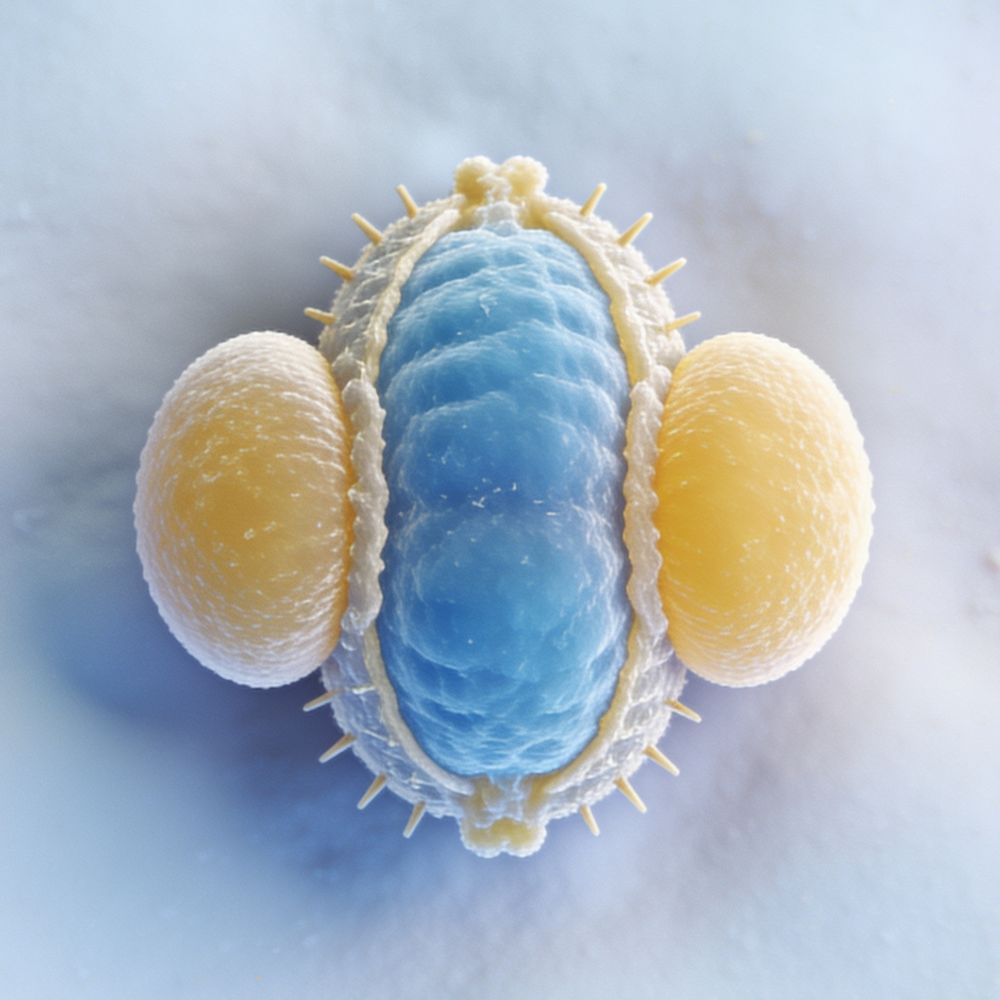
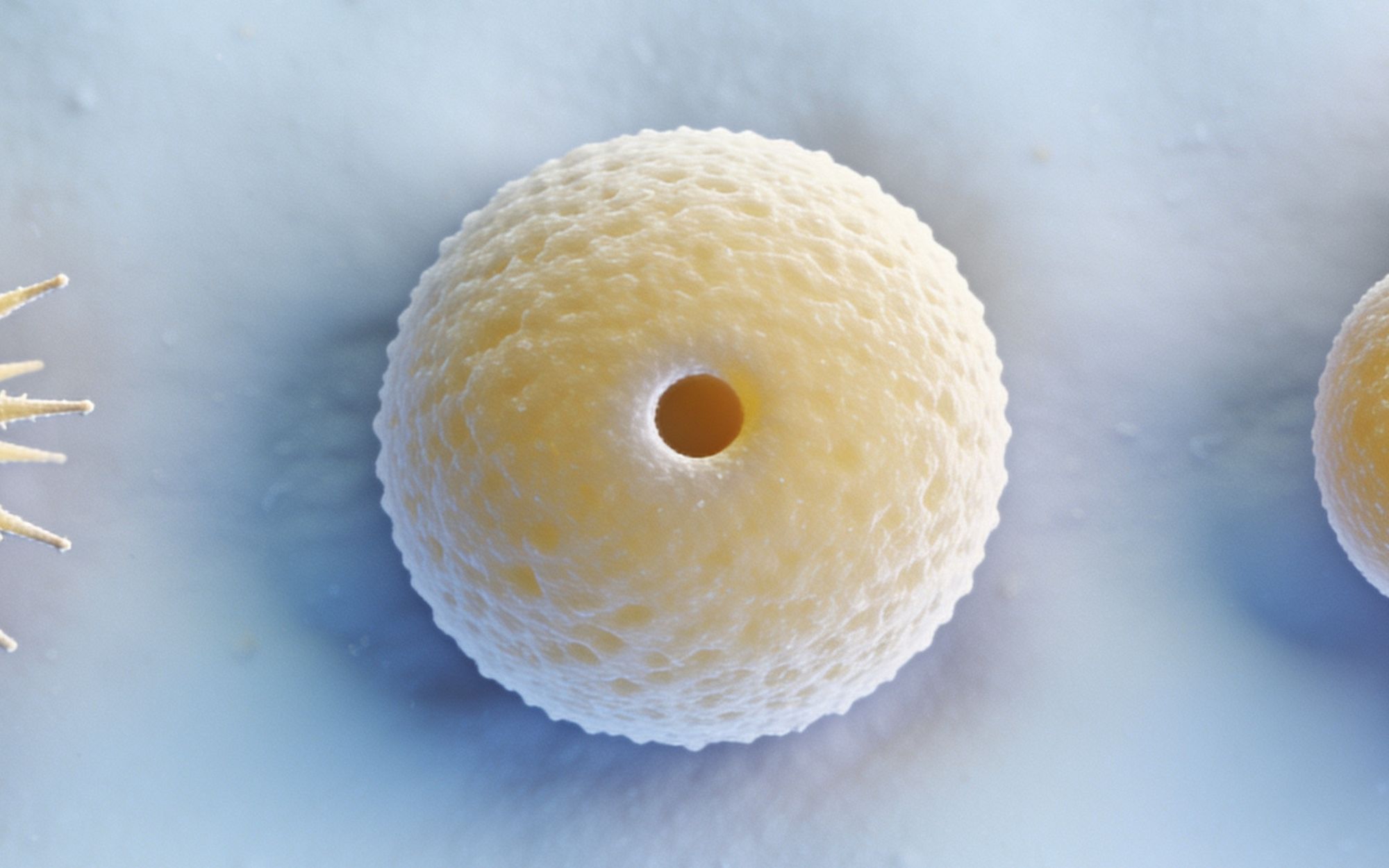
Common allergens, up close.
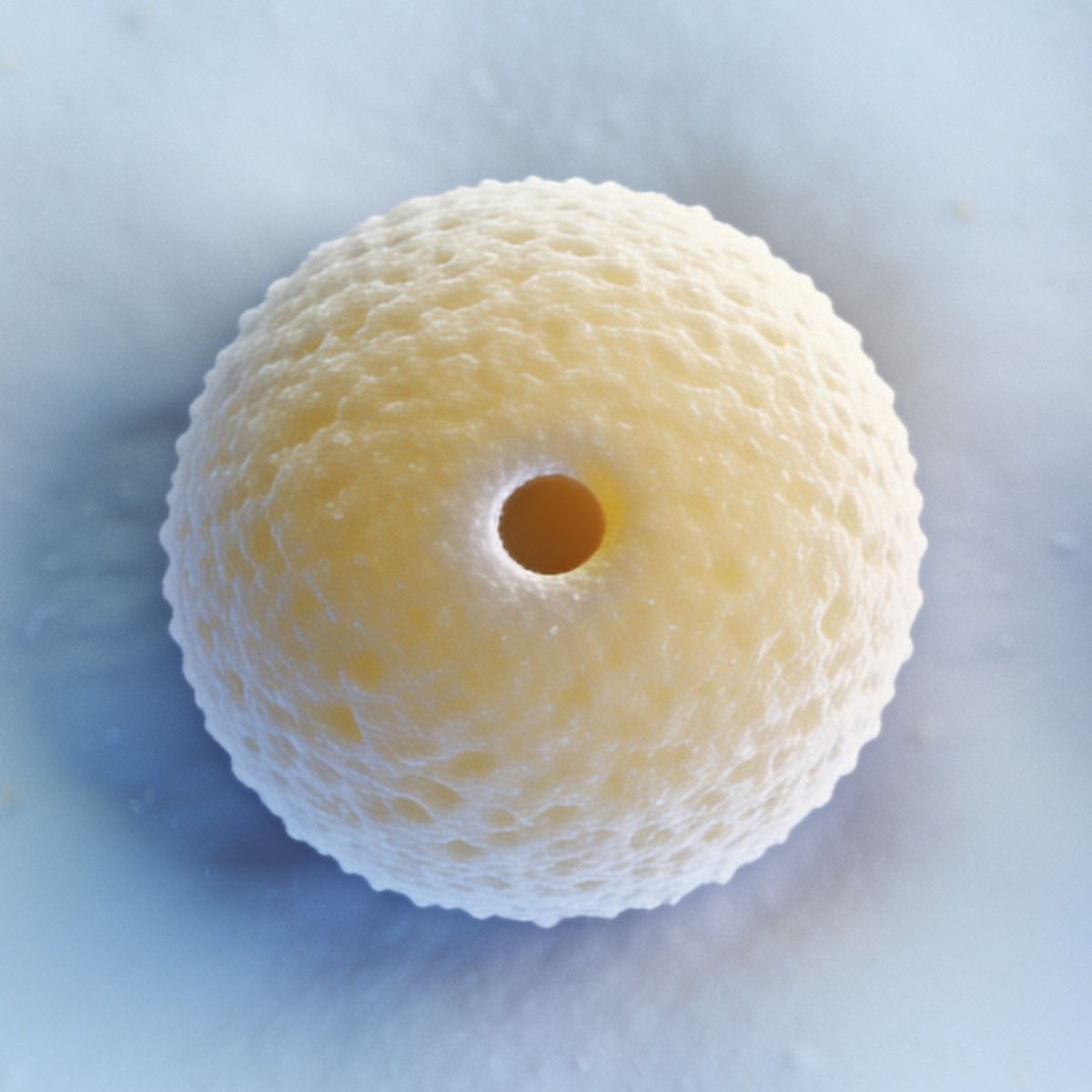
Common allergens
Skin prick testing shows which allergens you react to. These are some of the common ones.

Pollen
Grasses, trees and weeds.
Lolium perenne · Betula pendula · Plantago lanceolata

House dust mite
Present all year. It can make eczema worse.
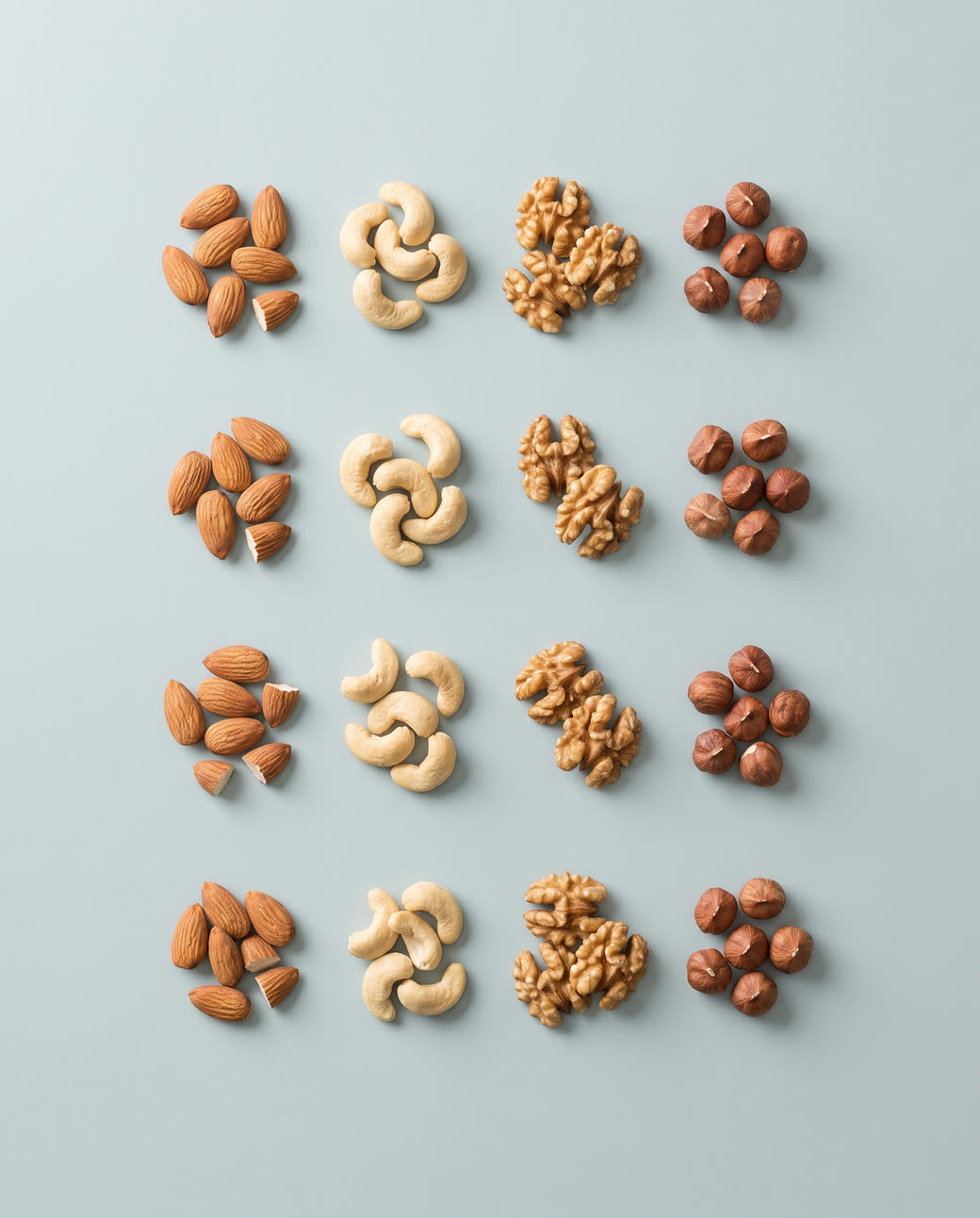
Foods and nuts
Food allergy at any age, including anaphylaxis.

Animal dander
Cats, dogs and other animals at home.
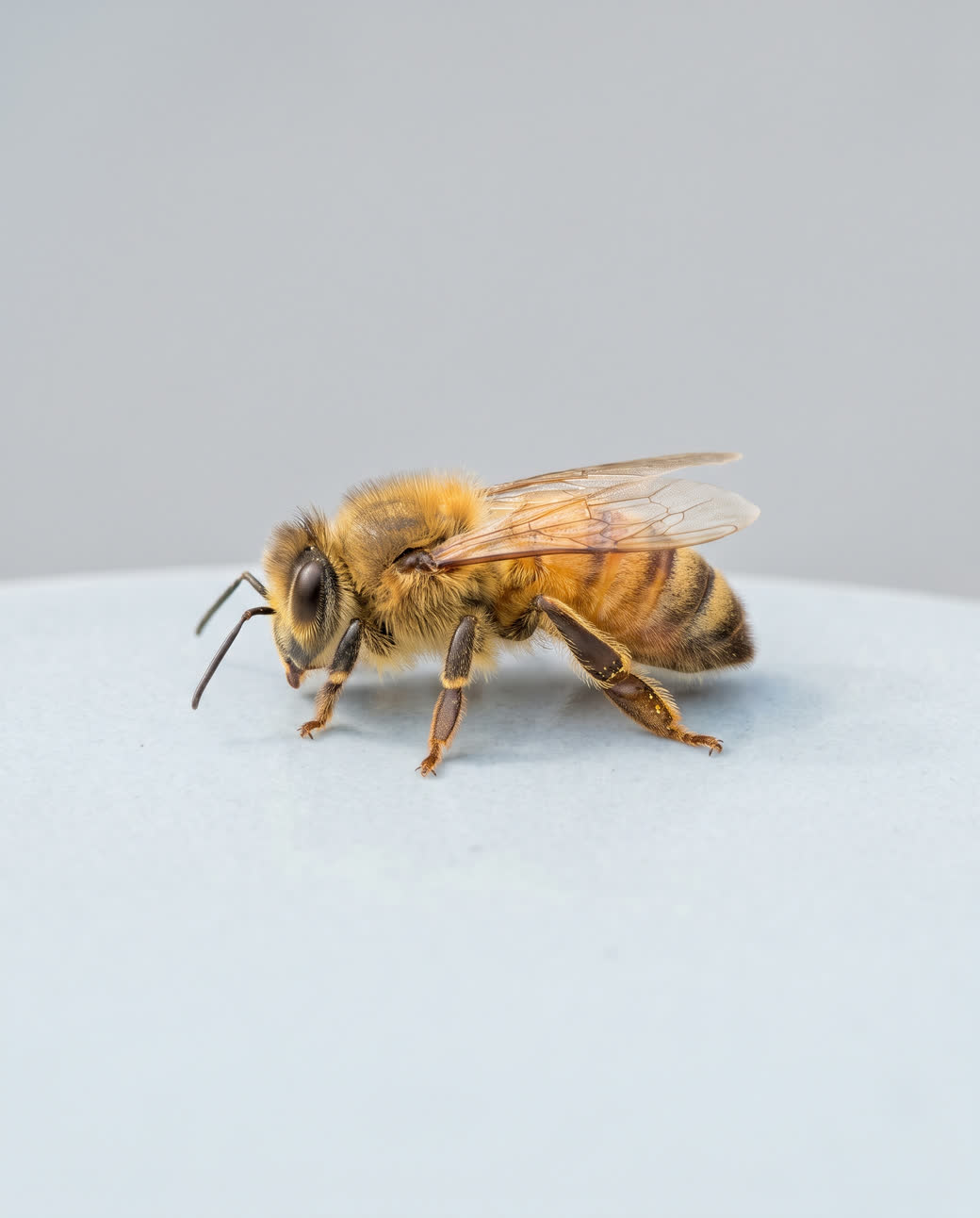
Insect venom
Bee, wasp and ant stings.

Medications
Antibiotic allergy labels that may not be true allergies.
Latex and workplace
Latex and other allergens at work.
What we do
Services
Allergy is a diagnostic specialty. The first appointment looks for the cause of your symptoms.
-
Skin prick testing, read in the same appointment. Blood tests where indicated.
- Hay fever and allergic rhinitis
- Asthma
- Eczema
- Food allergy
- Drug and antibiotic allergy
-
Training for families, schools and workplaces.
- Anaphylaxis
- Food allergy
- Drug and antibiotic allergy
-
Desensitisation programs for hay fever (allergic rhinitis) and asthma, with the first doses supervised in the clinic.
- Hay fever and allergic rhinitis
- Asthma
-
Infusions are given at The Infusion Lounge, in the same building.
- Immunodeficiency
- Hereditary angioedema
- Chronic urticaria
- Mastocytosis
- SLE (lupus)
- Scleroderma
- Sjögren’s disease
- Immunobullous diseases
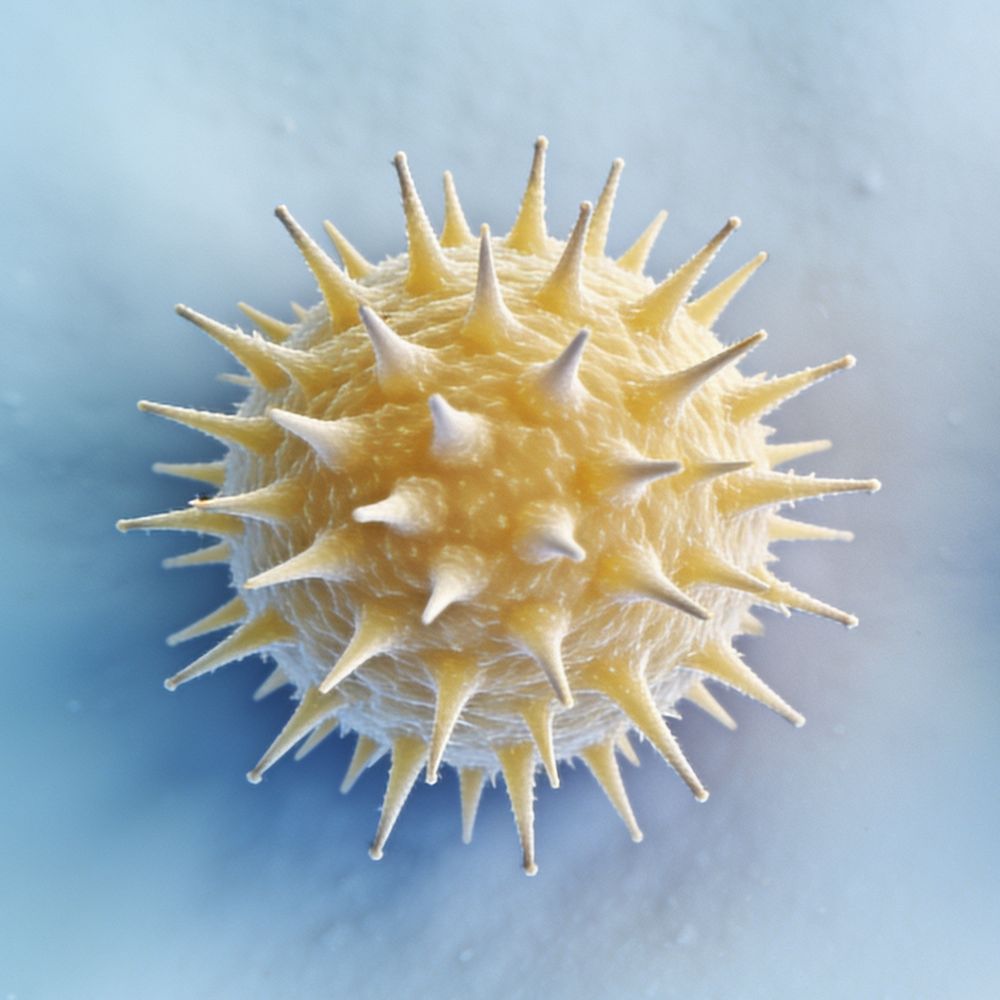
Grass pollen and thunderstorm asthma
1 October to 31 December
The season
In Victoria, the grass pollen season usually runs from 1 October to 31 December.
Thunderstorm asthma
People at risk include those with current or past asthma, undiagnosed asthma, or springtime hay fever. The risk is even higher for people who have both asthma and hay fever.
In an emergency
Always call triple zero (000).
Source: Better Health Channel, Thunderstorm asthma (opens in a new tab)
Dr Luckshman Ganeshanandan
FRACP
Clinical Immunologist and Allergist
Your specialist
Dr Ganeshanandan treats allergic disease, immunodeficiency and autoimmune conditions, with a focus on accurate diagnosis and evidence-based treatment.
Treats
- Allergic disease
- Immunodeficiency
- Autoimmunity
Research
- A serious drug reaction known as DRESS (opens in a new tab)First author, Int J Mol Sci, 2021
- Polyarteritis nodosa affecting muscle (opens in a new tab)First author, Semin Arthritis Rheum, 2020
Your appointment
What to expect
- 01
Referral
You need a current referral from your GP or another specialist.
- 02
Book
Once your referral is received, you will be contacted to organise a booking time. You can also call us to book.
- 03
Prepare
Stop antihistamines before skin testing. We tell you how many days when you book.
- 04
Consultation
History, examination, testing where indicated, then a written plan.
Bookings
Ask your GP for a referral.
Once your referral is received, you will be contacted to organise a booking time. Alternatively, you can call us directly on (03) 9887 9288 to book your appointment. Bring your referral, Medicare card and a list of your medications.
Call (03) 9887 9288