Skip to content In an emergency call 000 . For after-hours GP care phone 134 100 .
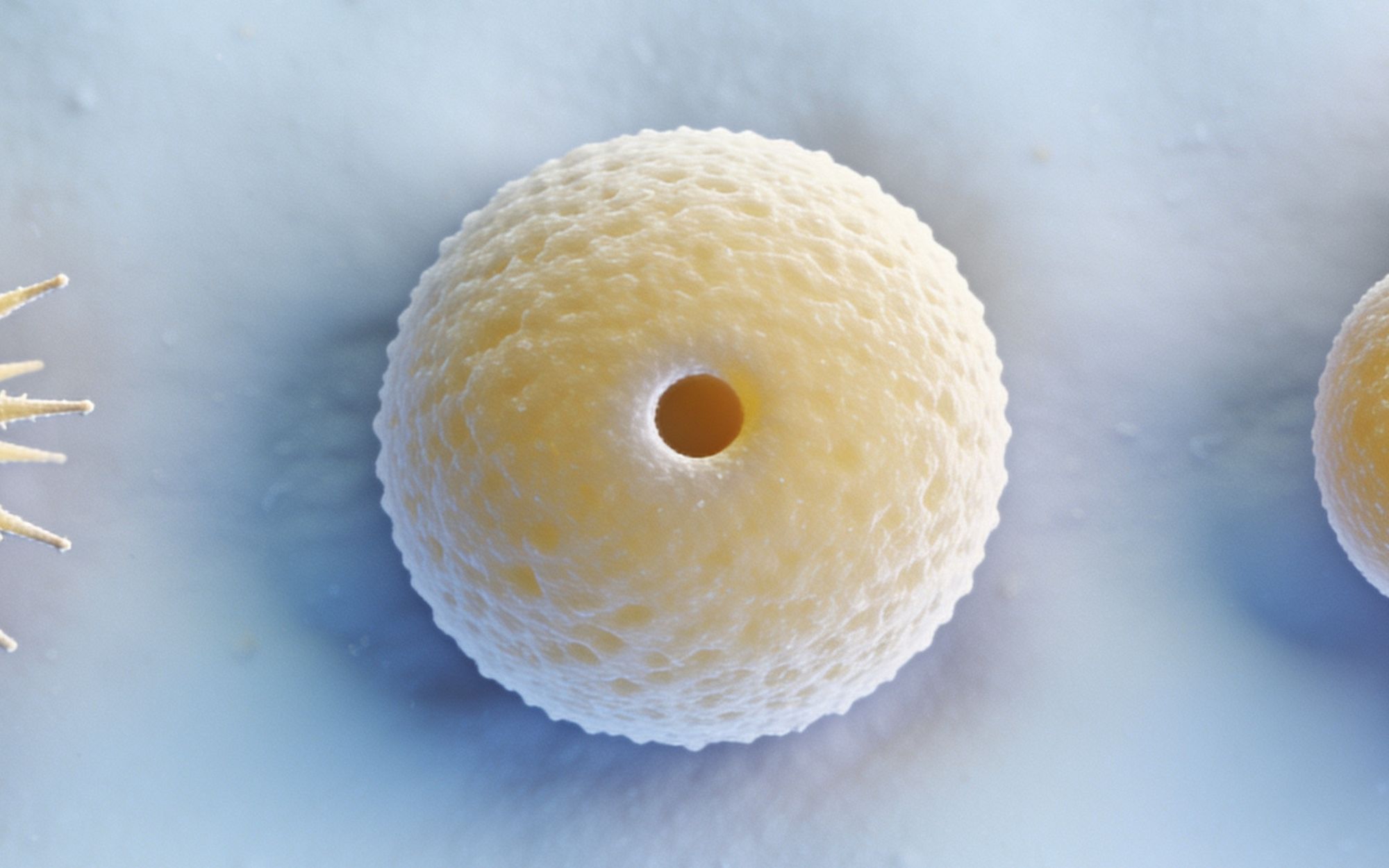
Grass pollen grain · generated image
Allergy and immunology · Adults and children
Pollen atlas
What is in the air, month by month.
Plate II
ASCIA pollen calendar
Pollen season by month
Choose a month to see which plants are in season in Victoria.
Jan January Feb February Mar March Apr April May May Jun June Jul July Aug August Sep September Oct October Nov November Dec December
October: 14 of these 17 plants are in season in Victoria
Grass pollen season
Thunderstorm asthma
In Victoria, the grass pollen season usually runs from 1 October to 31 December. People at risk include those with current or past asthma, undiagnosed asthma, or springtime hay fever. The risk is even higher for people who have both asthma and hay fever.
Better Health Channel (opens in a new tab)
J F M A M J J A S O N D
Trees
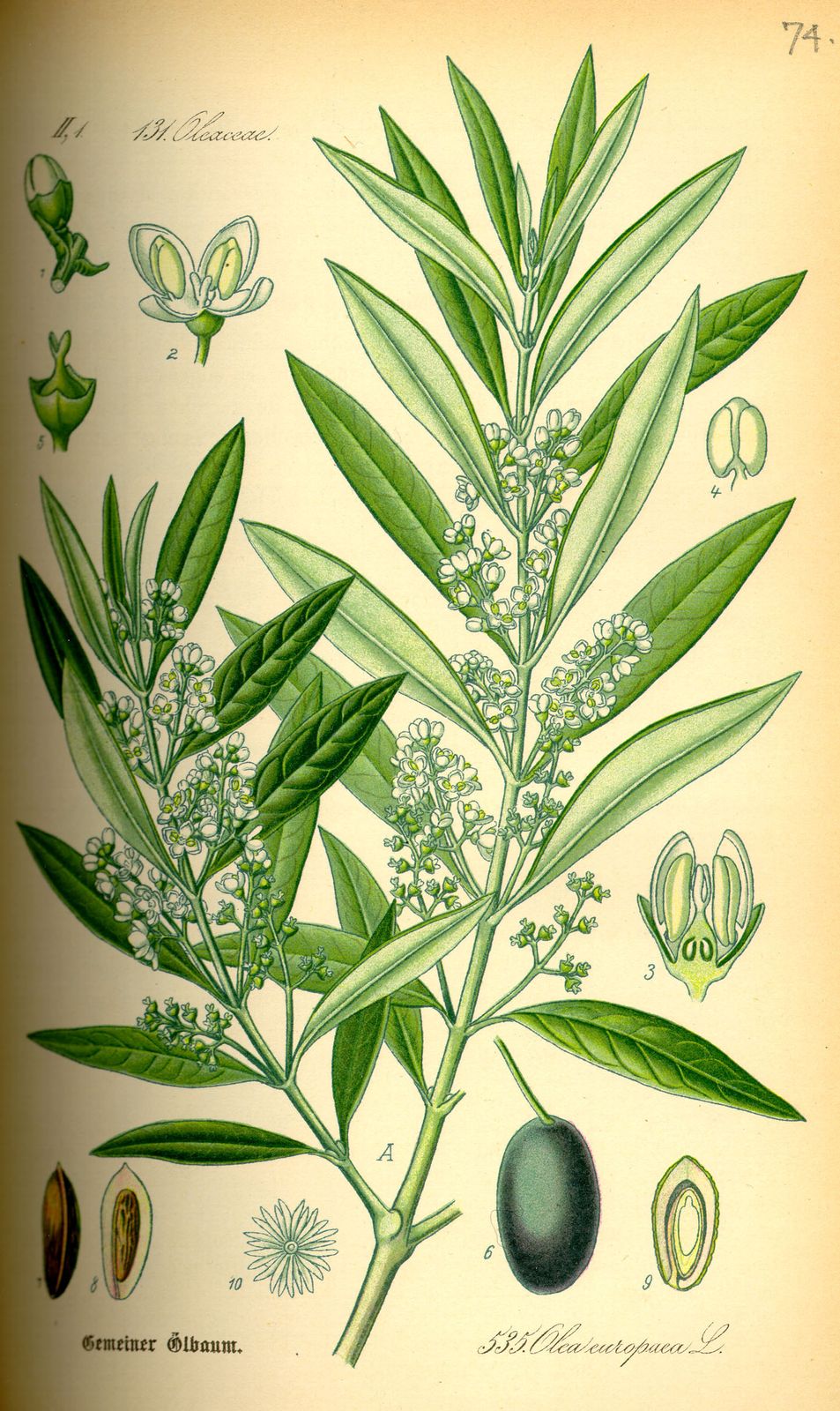
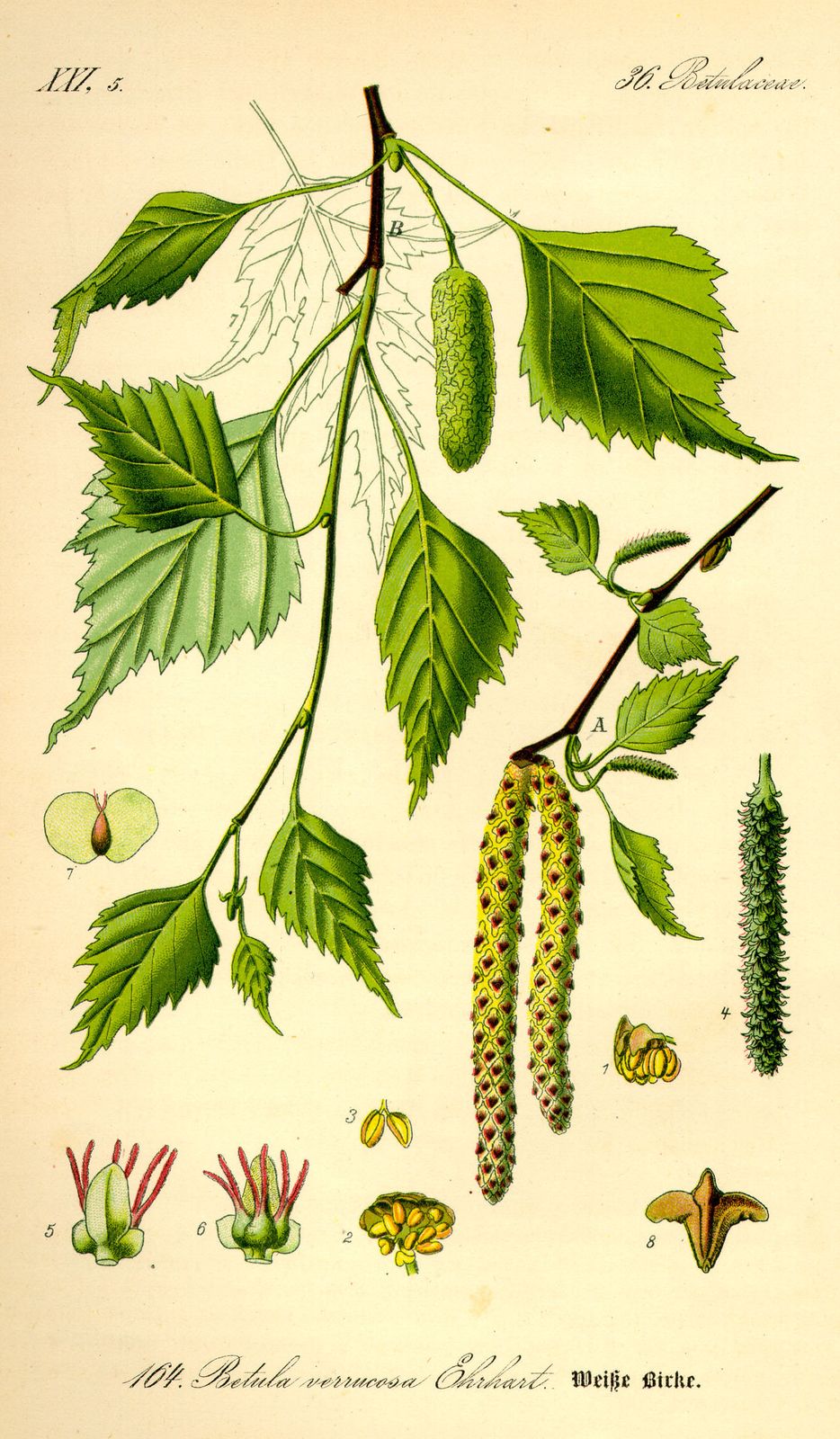
Callitris glaucophylla white cypress pine In season in Victoria: June, July, August, September. Platanus × acerifolia London plane In season in Victoria: September. Betula pendula silver birch In season in Victoria: August, October, November. Quercus robur English oak In season in Victoria: September, October. Casuarina she-oak In season in Victoria: March, May, September, October. Olea europaea olive In season in Victoria: October, November. Grasses
Melbourne count season, 1 October to 31 December
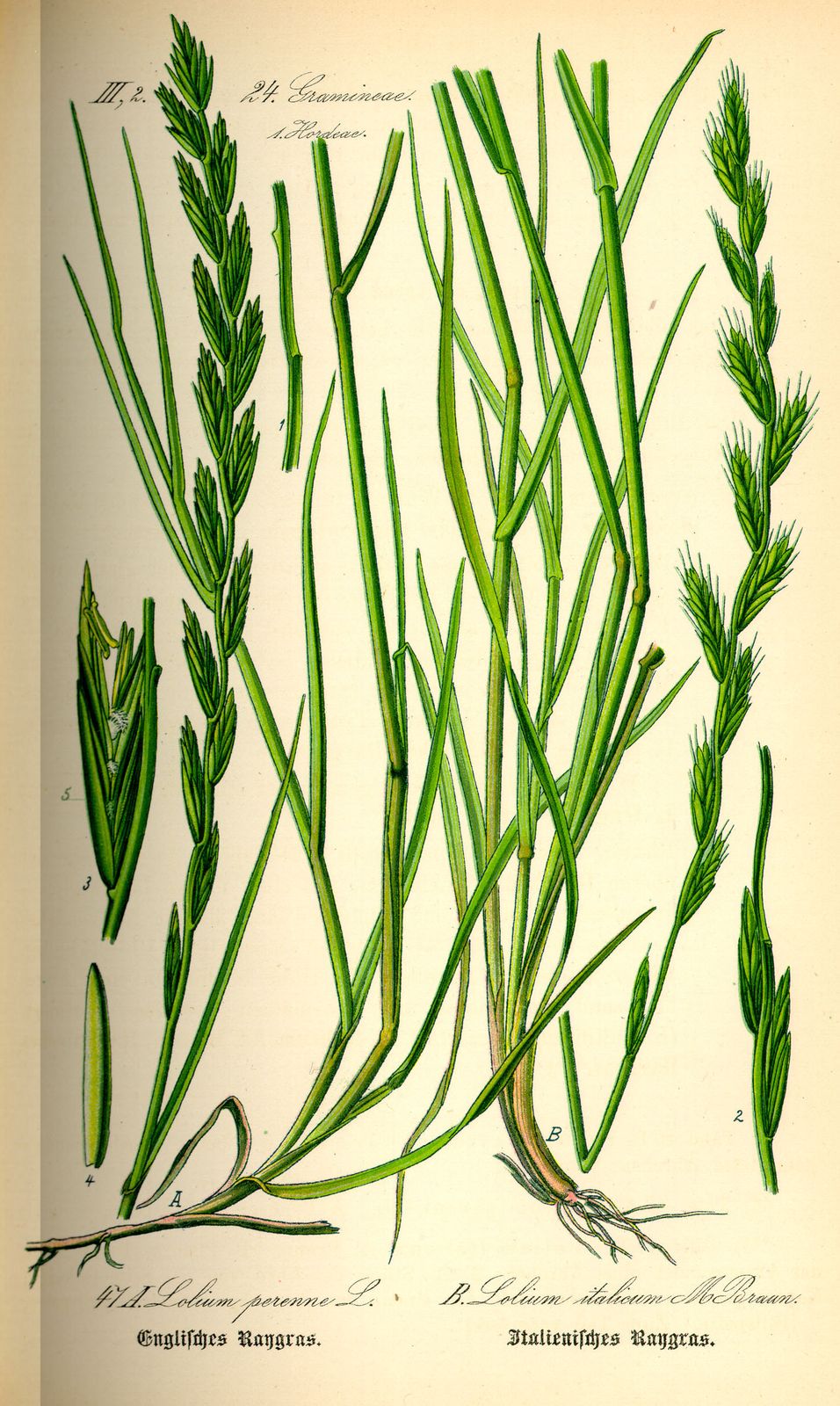
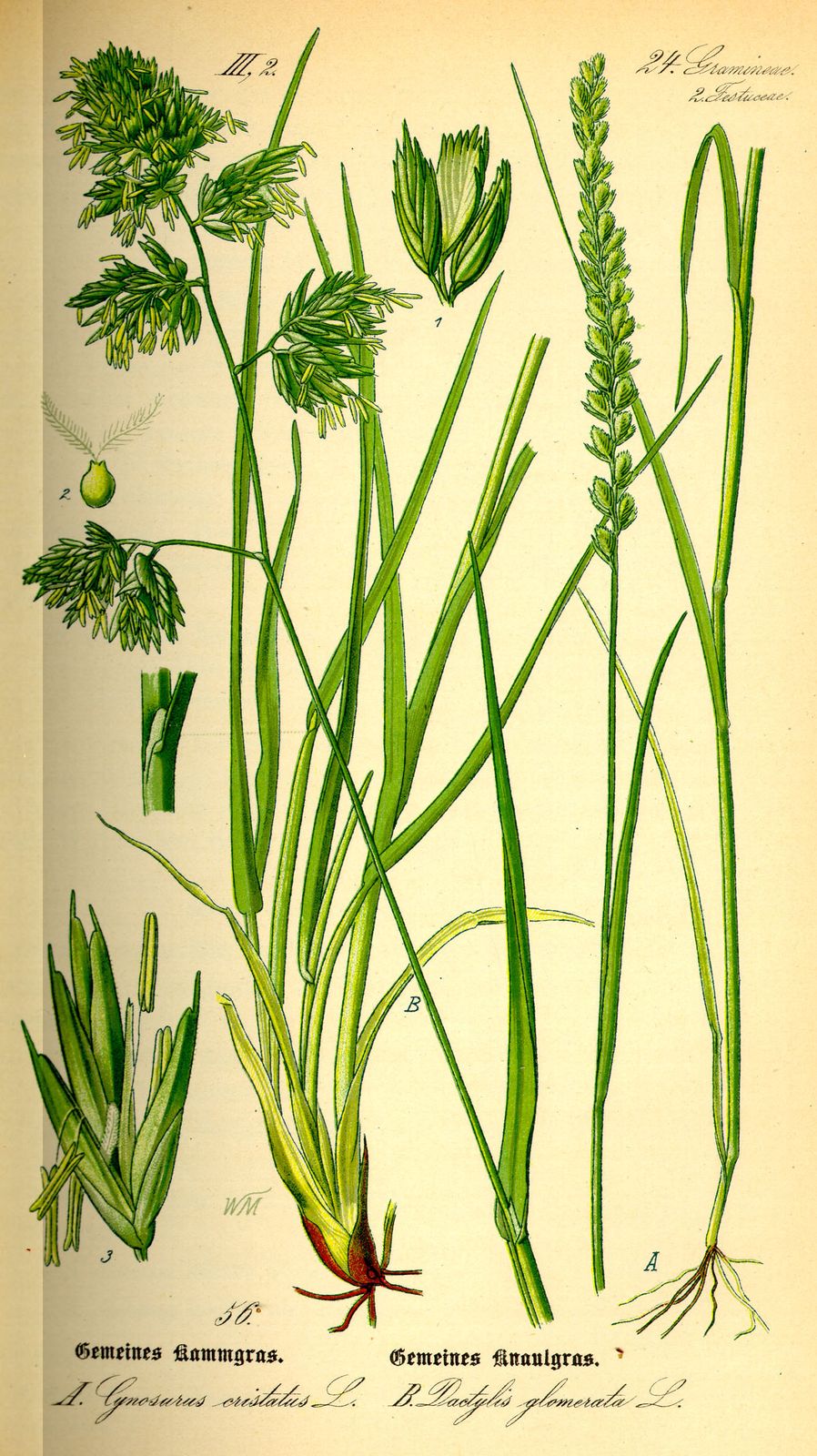
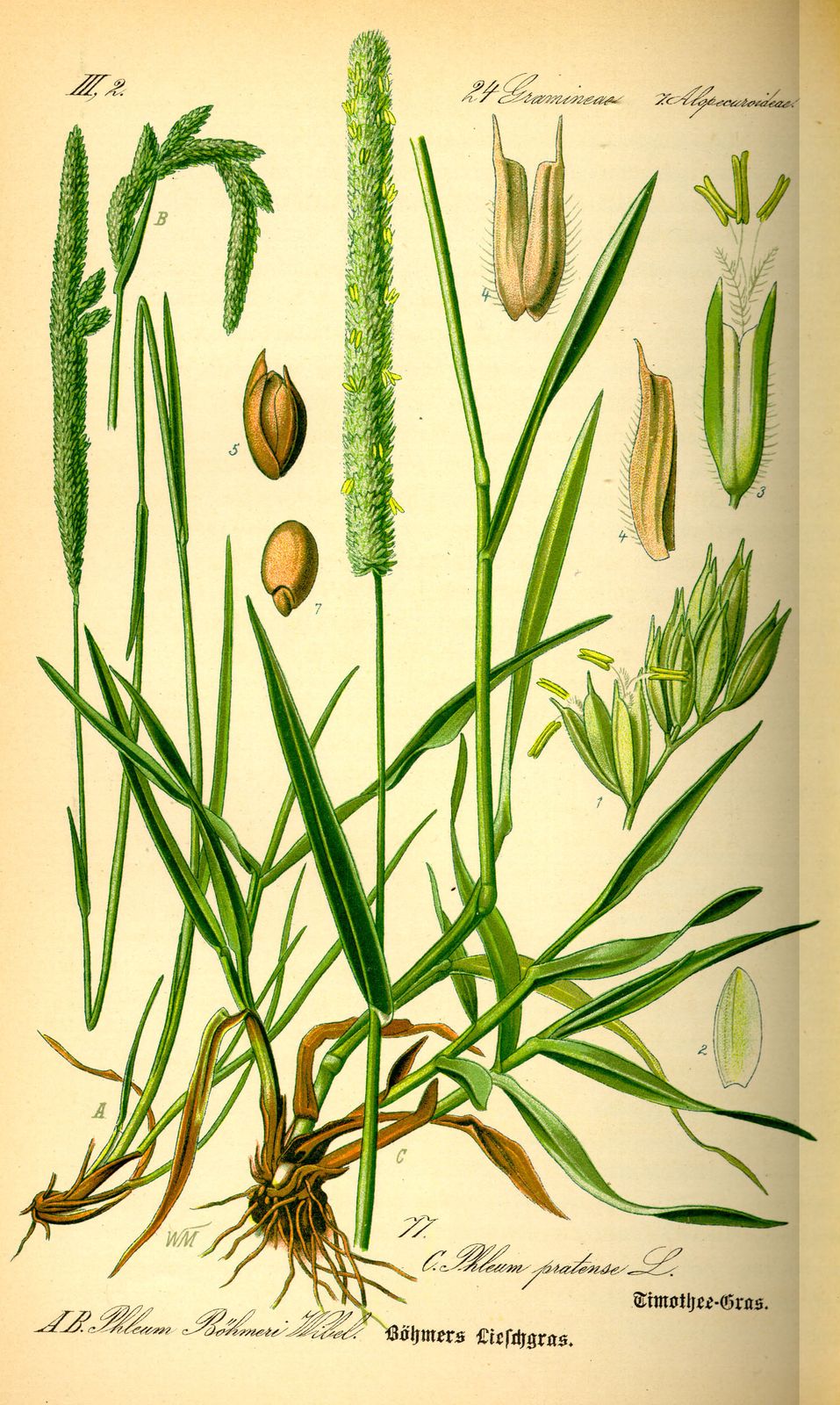
Lolium perenne perennial ryegrass In season in Victoria: January, February, August, September, October, November, December. Dactylis glomerata cocksfoot In season in Victoria: January, September, October, November, December. Holcus lanatus Yorkshire fog In season in Victoria: September, October, November, December. Phleum pratense timothy In season in Victoria: September, October, November, December. Poa pratensis Kentucky bluegrass In season in Victoria: September, October, November, December. Poa annua winter grass In season in Victoria: April, May, June, July, August, September, October, November. Avena fatua wild oat In season in Victoria: August, September, October, November, December. Cynodon dactylon couch In season in Victoria: January, February, March, April. Weeds
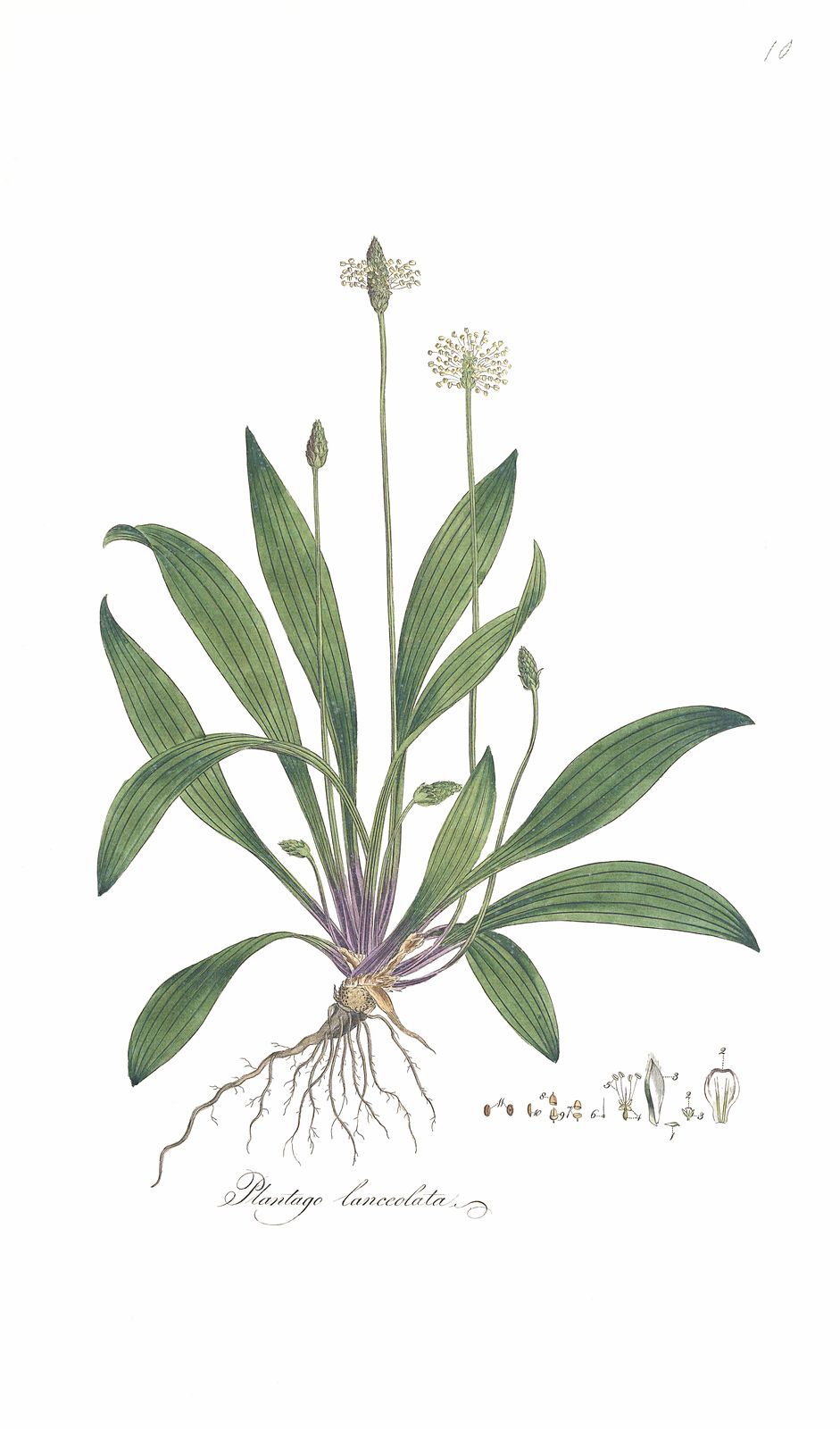
Plantago lanceolata ribwort plantain In season in Victoria: January, February, March, September, October, November, December. Parietaria judaica pellitory In season in Victoria: January, October, December. Echium plantagineum Paterson’s curse In season in Victoria: September, October, November, December. Months marked for Victoria in the ASCIA pollen calendar (opens in a new tab) . Grass pollen count season from Melbourne Pollen (opens in a new tab) .
Plate III
Grasses, trees and weeds
The plants that release the pollen
Public domain plates, from Wikimedia Commons.
Plate IV
What we do
Services
Allergy is a diagnostic specialty. The first appointment looks for the cause of your symptoms.
01 Allergy testing Skin prick testing and blood tests.
Skin prick testing, read in the same appointment. Blood tests where indicated.
Hay fever and allergic rhinitis Asthma Eczema Food allergy Drug and antibiotic allergy
02 Anaphylaxis management Autoinjector prescribing and ASCIA action plans.
Training for families, schools and workplaces.
Anaphylaxis Food allergy Drug and antibiotic allergy
03 Immunotherapy Aimed at the allergens the testing finds.
Desensitisation programs for hay fever (allergic rhinitis) and asthma, with the first doses supervised in the clinic.
Hay fever and allergic rhinitis Asthma
04 Immunology and autoimmunity Immunodeficiency, urticaria, angioedema, lupus, scleroderma.
Infusions are given at The Infusion Lounge, in the same building.
Immunodeficiency Hereditary angioedema Chronic urticaria Mastocytosis SLE (lupus) Scleroderma Sjögren’s disease Immunobullous diseases
All conditions and services
Plate V
Skin prick testing and allergy injections
Skin prick testing
A small drop of each allergen is placed on your forearm, and the skin is pricked lightly through each drop.
Your skin is read after about 20 minutes. A small itchy bump can appear where you react.
Before your test Stop antihistamine tablets and syrups. We tell you how many days when you book.
Keep taking Asthma preventers, nasal sprays and your other regular medications unless we have told you to stop.
Tell the doctor at once if you feel unwell.
Allergy injections
Stay in the clinic for 30 minutes after your injection.
Tell us at once if you feel unwell.
Such as
itching hives swelling of the lips, face or eyes a tight throat wheeze cough a hoarse voice feeling faint
Dr Luckshman Ganeshanandan
FRACP
Clinical Immunologist and Allergist
Specialist physician Immunology and allergy
Dr Ganeshanandan is a specialist physician in allergy and clinical immunology who treats adults and children.
Dr Ganeshanandan’s profile
Plate VII
Your appointment
What to expect
01 Referral You need a current referral from your GP or another specialist.
02 Book Once your referral is received, you will be contacted to organise a booking time. You can also call us to book.
03 Prepare Stop antihistamines before skin testing. We tell you how many days when you book.
04 Consultation History, examination, testing where indicated, then a written plan.
Bookings
Ask your GP for a referral.
Once your referral is received, you will be contacted to organise a booking time. Alternatively, you can call us directly on (03) 9887 9288 to book your appointment. Bring your referral, Medicare card and a list of your medications.
Call (03) 9887 9288